
Business
New play relives holiday memories of a ‘Bodega Princess’
By Katherine Langford
Advertisement · Why this ad?
Katherine oversees editorial operations across all six brands. Before joining The Meridan Group, she spent 14 years at the Minneapolis Star Tribune, where she led the metro desk through its digital transformation. She holds a Master's in Journalism from Northwestern's Medill School.
More from Katherine →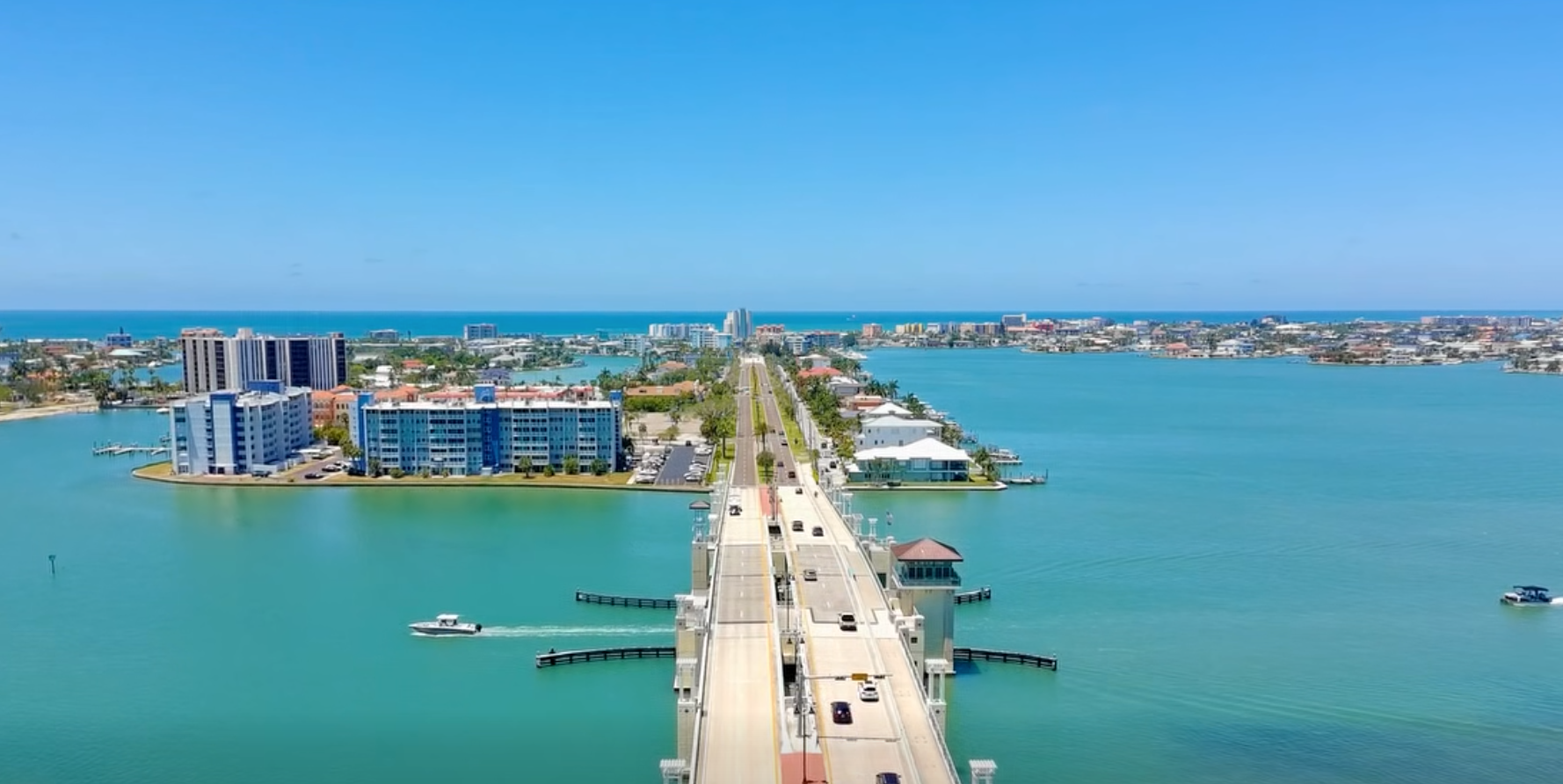
Treasure Island officials are considering transferring the moveable drawbridge to the state in exchange for responsibility over a portion of Gulf Boulevard. Image: Screengrab, City Facebook video. For nearly 90 years, Treasure Island has owned and maintained a causeway used by motorists from across Pinellas County. The city once charged those drivers a toll. Today, local taxpayers shoulder the cost. Now, Treasure Island is negotiating a deal with the Florida Department of Transportation (FDOT) that could shift one of its biggest maintenance expenses to the state. FDOT would take ownership of the causeway’s movable drawbridge, while the city would assume responsibility for approximately 2.3 miles of Gulf Boulevard, part of State Road 699. The proposal could end decades of financial responsibility for a bridge that serves far more than Treasure Island’s residents. But it also raises questions about how much the exchange would actually save and what would happen to the property taxes residents already pay toward maintaining the crossing. The 1.8-mile Treasure Island Causeway crosses Boca Ciega Bay, connecting the barrier island with St. Petersburg. All three bridges along the route belong to Treasure Island, including portions of the crossing within St. Petersburg’s city limits. The city would retain its two fixed bridges under the proposed exchange. That unusual arrangement dates to 1939, when Treasure Island financed the original causeway with bonds and collected tolls to help repay them. By the 1990s, the bridges were wearing out, and the city approached Pinellas County and the state about taking over the crossing. Neither was interested. Treasure Island eventually secured $50 million in federal funding to replace the movable bridge. It also spent $10 million of its own money and received a $5.2 million state grant to replace the two fixed spans. The old drawbridge was replaced in 2007, and the city stopped collecting tolls as part of the federally supported project. A decade later, Treasure Island explored bringing tolls back. A 2019 city memorandum shows that officials sought legal advice and consulted the Federal Highway Administration. Federal restrictions complicated the effort, and the city put it on hold while seeking clarification. The financial burden continued to grow. A 2020 assessment commissioned by Treasure Island found that approximately 65% of causeway trips involved travel originating or ending outside the city. Engineering firm Atkins recommended that Treasure Island seek more financial help from surrounding communities and state and federal agencies. The assessment projected more than $178 million in operations, maintenance and rehabilitation expenses through 2082, accounting for 3% annual cost increases. That figure covered the entire causeway, including all three bridges and the roadway, not just the drawbridge that could change hands. At Tuesday’s Charter Review Committee meeting, Assistant City Manager and Public Works Director Gary Volenec estimated the drawbridge’s remaining lifetime costs at approximately $65 million. He also pointed to roughly $3.5 million in upcoming maintenance expenses. The city’s own budget shows how quickly those costs can add up. Treasure Island’s fiscal 2026 budget included approximately $448,000 in causeway operating expenses and $1.6 million in capital improvements. An April budget amendment called for another $536,000 for mechanical repairs, including work on the drawbridge’s hydraulic equipment. The proposed exchange would relieve Treasure Island of future expenses associated with the movable bridge, but the city would still maintain its two fixed bridges and other causeway infrastructure. Volenec estimated it would cost approximately $5 million to resurface the stretch of Gulf Boulevard the city would acquire, with new pavement lasting another 10 to 15 years. He said FDOT intends to complete a planned resurfacing and restriping project around 2029 or 2030, even if the roadway changes hands first. The two estimates aren’t directly comparable. The $65 million figure represents projected bridge expenses over decades, while $5 million is the estimated cost of a single roadway resurfacing project. Neither establishes how much the city would ultimately save. City Manager Charles Van Zant said reducing long-term costs for taxpayers is driving the negotiations. In a written statement, he described the drawbridge as one of Treasure Island’s most expensive infrastructure assets and said early staff reviews suggest an exchange could make financial sense. The timing is also important. Florida voters approved Amendment 3 Nov. 3, expanding the homestead exemption for non-school property taxes to $150,000 in 2027 and $250,000 in 2028. The change will reduce the taxable value of qualifying homes, leaving local governments with less property tax revenue. Treasure Island may feel less of an impact than communities with more permanent residents. Van Zant recently estimated that approximately 40% of the city’s homes are primary residences. “We’re looking at any way we can to cut costs,” Volenec told committee members. But shedding the drawbridge could leave Treasure Island with another decision about money residents are already paying. In 2021, the City Commission adopted Ordinance 2021-20 , committing half a mill of the city’s property tax rate to operating, maintaining and eventually replacing its causeway and bridges. Volenec said the levy generates approximately $1.1 million annually, while the city’s fiscal 2026 budget projected a causeway account balance of approximately $2.6 million at the end of September. If the state takes over the drawbridge, should the city keep collecting the same amount? The question drew debate Tuesday. Volenec suggested retaining the money, at least initially, to build roadway maintenance reserves and address other infrastructure needs. He pointed to deteriorating portions of the West Causeway that could require expensive repairs. Other committee members questioned whether revenue committed to the causeway could legally be redirected and whether residents should instead see a reduction in their property taxes. The 2021 ordinance does not automatically eliminate the levy if the drawbridge changes hands, and city representatives agreed to examine the issue. The proposed deal could also mark the beginning of a broader change along Pinellas County’s beaches. Van Zant said FDOT wants to eventually transfer Gulf Boulevard to the municipalities it passes through, giving each community responsibility for its stretch of the roadway. FDOT spokesperson Kayla Mejia said in a written statement that the proposed exchange is intended to place each asset under the organization best positioned to operate and maintain it. Volenec said city officials had a productive meeting with FDOT last week and hope to bring a proposed agreement before commissioners Nov. 17. If the necessary approvals move quickly enough, voters could consider the issue in March 2027, and the state could take over the drawbridge as early as Nov. 1. Nothing has been finalized. The exchange would relieve Treasure Island of its movable bridge, but leave the city responsible for other causeway infrastructure and a new stretch of Gulf Boulevard. “Why do we maintain that bridge? It’s expensive,” Volenec asked during Tuesday’s meeting. Share Tweet Share Related Topics: drawbridge FDOT Pinellas County St. Petersburg Treasure Island Click to comment Subscribe to the Daily Spark Get the latest right to your phone Subscription Form Name Email Subscribe Subscribe to the Daily Spark Get the latest right to your phone Subscription Form Name Email Subscribe You may like
By Katherine Langford
By Katherine Langford

By Katherine Langford
By Katherine Langford